

Bounty Land Crossings: A Wine Rooted in Texas History
The Land’s Story
West Sandy Creek Winery has deep roots in Texas history through the bounty land system. After the Texas Revolution, the Republic and early State of Texas granted land to veterans as payment for military service. These bounty lands helped settle East Texas in the mid-1800s, and Walker County was one of the areas where many of these grants were located. The land offered timber, water, fertile soil, and relative safety—making it attractive for farming and settlement.
Many of those early settlers planted vineyards, and East Texas became part of Texas’s thriving 19th-century wine industry. Before Prohibition destroyed it, Texas was a significant wine-producing state, and the foundation of that industry was a grape called Lenoir—part of our Bounty Land Crossings blend.
The Lenoir Grape: Texas Wine Heritage
Lenoir, also known as Black Spanish, is a hybrid grape with both European wine grape and native American grape heritage. It originated in the southeastern United States in the early 1800s and became essential to Texas viticulture because of its remarkable disease resistance—it could survive Pierce’s Disease, phylloxera, and the challenging Texas climate that killed pure European varieties.
This grape built Texas’s early wine industry. Its deep, almost black color produces full-bodied wines with intense dark fruit flavors and distinctive earthy character. When phylloxera devastated European vineyards in the late 1800s, Lenoir’s importance was recognized internationally.
Today, Lenoir is rare and uniquely Texan. Growing it connects us directly to that 150-year-old winemaking tradition. At 20% of our newest Bounty Land Crossings blend, Lenoir gives the wine its sense of place—something you can’t taste anywhere else.
The Bounty Land Crossings Blend: Where Traditions Cross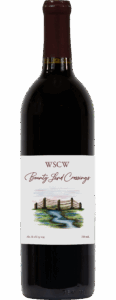
Fans of WSCW’s Bounty Land Crossings know that each one is unique. Our most recent Bounty Land Crossings wine represents multiple intersections, which is why the name is so fitting:
Lenoir anchors the wine in Texas history and terroir. It contributes deep color, intensity, earthy character, and authenticity.
Grenache (known as Garnacha in Spain) brings ripe red fruit—strawberry and raspberry notes—along with body, warmth, and soft tannins. This warm-climate grape from southern France and Spain adds approachability and generous fruit.
Sangiovese, Italy’s most important grape and the heart of Tuscan wines like Chianti, provides bright acidity, structure, cherry flavors, and food-friendliness. Its firm tannins and elegance balance the blend.
Field Blend connects us to traditional winemaking practices. A field blend means multiple grape varieties planted, harvested, and fermented together—the way wine was made for centuries, including in 19th-century Texas. Rather than isolating every variety, we let the vineyard create complexity naturally. This was common practice among early settlers who didn’t plant monoculture blocks but mixed varieties that worked together, providing both insurance against crop failure and natural balance.
The “Crossings” Concept
The name captures several meanings:
- Historical crossing: Past meeting present in Texas viticulture
- Cultural crossing: American heritage grapes (Lenoir) meeting Old World varieties (French Grenache, Italian Sangiovese)
- Geographic crossing: Different winemaking traditions converging on this historic Texas soil
- Blending crossing: Five or more grape varieties united in one wine
We’re not trying to make California wine or French wine—we’re making Texas wine that honors where we are and where we’ve been.
What This Wine Tastes Like
The blend creates something greater than its parts:
- Medium to full body with excellent balance
- Deep color from the Lenoir
- Bright red fruit flavors layered with darker berry notes
- Good acidity (from Sangiovese) balanced by soft texture (from Grenache)
- Earthy, distinctive character you won’t find elsewhere
- Complexity that reveals something new with each sip
- Very food-friendly—excellent with barbecue, grilled meats, or Italian cuisine
Why This Matters
This wine tells the story of Texas viticulture. The Lenoir preserves a grape variety that’s increasingly rare but historically essential. The international varieties show that Texas wine isn’t about isolation—it’s about bringing the best of global winemaking traditions to our unique terroir.
The field blend component honors traditional practices while creating wines that are complex and compelling. We’re making wine the way those bounty land settlers might have—letting the land express itself through grapes that thrive here.
A Living Connection
Every bottle of Bounty Land Crossings connects you to:
- Veterans who received this land for their service
- Settlers who planted Texas’s first vineyards
- A grape variety that built an industry
- Winemaking traditions spanning three continents
- The ongoing story of Texas wine
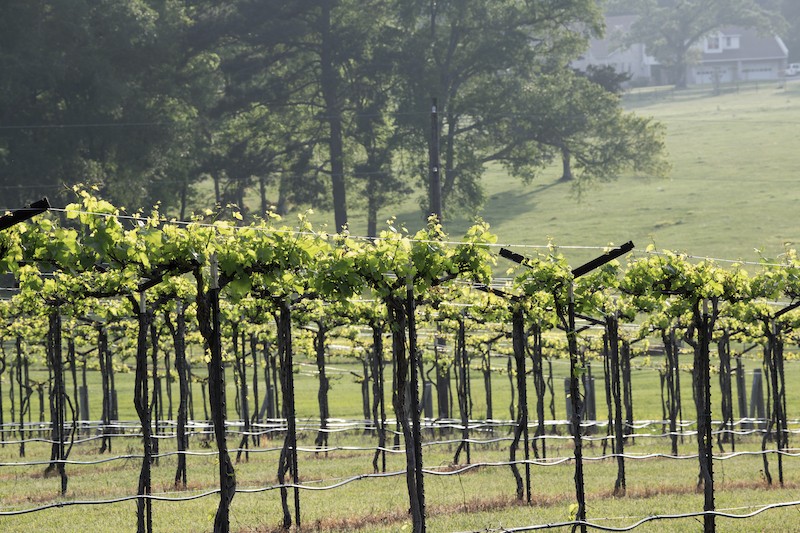
Our 15 acres of vineyards, including our Lenoir vines, represent more than agriculture—they’re a living link to Texas history and a commitment to preserving something unique. When you taste this wine, you’re tasting a piece of that story.
Cheers!

