

Same Grape, Two Very Different Wines: What Oak Aging Actually Does
If you’ve ever done a tasting at West Sandy Creek Winery and tried both our Blanc du Bois Dry and our Old World Reserve back-to-back, you may have noticed something surprising: they taste quite different from each other, even though they’re made from the exact same grape, grown in the exact same vineyard.
That’s not an accident. It’s oak aging at work. And once you understand what’s happening, you’ll never look at a wine list the same way again.
Start Here: The Same Grape, Two Different Journeys
Both wines begin identically. We press Blanc du Bois grapes and begin fermentation. Up to this point, the two wines are twins.
Then their paths diverge.
Our Blanc du Bois Dry goes into stainless steel, where it’s protected from any outside influence. It ferments, rests, and eventually goes into the bottle with nothing added: just pure Blanc du Bois, exactly as the grape expresses itself from our Texas soil.
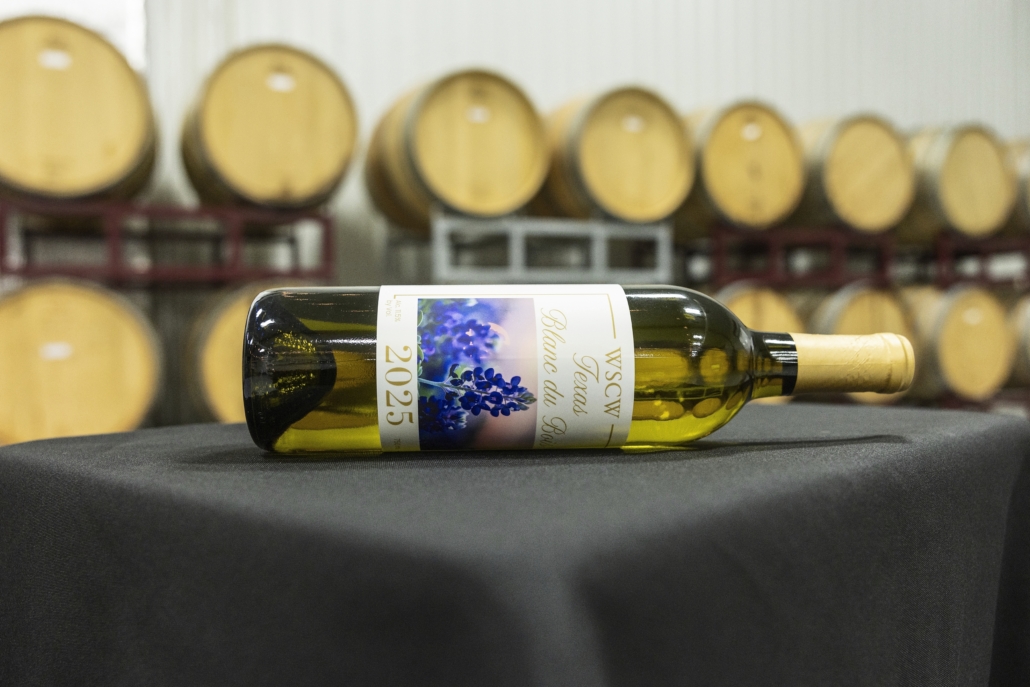
Our Old World Reserve takes a different road. After fermentation, it’s transferred into American oak barrels, where it rests for four to six weeks before bottling. During that time, something remarkable happens: the wine begins a slow conversation with the wood.
What Actually Happens Inside an Oak Barrel
An oak barrel isn’t just a container. It’s an active participant in winemaking. Here’s what happens while a wine is sleeping in oak:
The wine breathes. Oak is slightly porous, which means tiny amounts of oxygen pass through the wood and into the wine over time. This gentle, slow exposure to oxygen softens the wine’s sharp edges and builds a rounder, more integrated texture, something winemakers call “mouthfeel.” It’s the difference between a wine that feels angular and one that feels smooth.
The wine absorbs flavor from the wood. Oak contains natural compounds that dissolve into the wine, introducing flavors that were never in the grape to begin with. Depending on how the barrel was made, those flavors can include vanilla, toasted almond, baking spice, coconut, or a warm, buttery richness. In our Old World Reserve, aged on American oak, you’ll notice a characteristic warmth: a fruitful, oaky aroma that wraps around the wine’s natural Blanc du Bois character.
The wine’s acidity softens. Fresh, unoaked wines tend to have bright, lively acidity, that zippy, mouthwatering sensation. Oak aging can temper that acidity, making the wine feel more rounded and less sharp. We actually noticed this firsthand with our 2020 harvest: leaving the Old World Reserve in oak for five additional days compared to the previous vintage produced a noticeably smoother finish.
Tasting the Difference: Blanc du Bois Dry vs. Old World Reserve
Here’s how that plays out in your glass:
Blanc du Bois Dry (Unoaked) This is Blanc du Bois in its purest form. The floral aromas come forward immediately, light and delicate, almost like spring blossoms. On the palate, you’ll find apple and pear flavors with a crisp acidity that lingers pleasantly. It’s bright, clean, and refreshing, the kind of wine that tastes like it was made for a warm afternoon on the patio. Because nothing stands between you and the grape, it’s also a great way to understand what Blanc du Bois actually tastes like as a variety.
Old World Reserve (Oaked) Pick up the Old World Reserve and the difference is immediate, even before you take a sip. The aroma is richer, and that fruitful, oaky character is right there to greet you. On the palate, the wine is fuller and rounder, with that same underlying citrus character of Blanc du Bois coming through in the finish, lingering in the mouth long after you swallow. The sharp edges of the grape’s natural acidity have been smoothed by the oak, giving the wine a more layered, complex character. It’s the same grape, but transformed. This wine can even be served at room temperature rather than chilled, and doing so will bring out its warmer, more complex notes in a different way.
Which One Is “Better”?
Neither. This is the beautiful thing about wine. Both styles have their place, their fans, and their perfect moments.
If you love bright, refreshing whites, if you typically reach for Sauvignon Blanc or a crisp Pinot Grigio, you’ll probably feel right at home with the Blanc du Bois Dry. Its lively acidity makes it a natural match for lighter dishes: salmon with lemon, grilled shrimp, fresh salads, or our tapas platters.
If you tend to prefer Chardonnay, or if you like your whites with a little more body, warmth, and complexity, the Old World Reserve was made for you. Its fuller profile stands up beautifully to Mediterranean-style dishes, creamy pastas, roasted chicken, or a charcuterie spread with aged cheeses.
And if you’re not sure? Order both. Tasting them side by side is one of the most eye-opening wine experiences you can have, and it’s the best way to figure out which style speaks to you.
The Name “Old World Reserve”: What Does It Mean?
You might be wondering about the name. “Old World” is a nod to traditional European winemaking practices, where barrel aging has been used for centuries to build complexity, structure, and depth in wine. By applying that technique to our Texas-grown Blanc du Bois grape, a variety that couldn’t be more uniquely American, we’re creating something that bridges two winemaking traditions in one glass.
That’s something we find pretty special.
Next time you visit us, ask to try them back-to-back. We’d love to walk you through the difference and help you find your favorite.
West Sandy Creek Winery is open Thursday–Sunday at 1773 FM 1791, Richards, TX 77873. Browse our wines at wscwinery.com or call us at (936) 436-9050.